How Smart Homes Reduce Power Consumption in Everyday Living
Tech News
Smart homes are no longer a luxury experiment. They are practical setups that cut waste, lower bills, and make daily routines smoother. When devices respond to real behavior instead of fixed schedules, power use drops without sacrificing comfort. Here’s how smart homes quietly reduce power consumption in real life.
1. Smart thermostats learn habits and cut heating waste
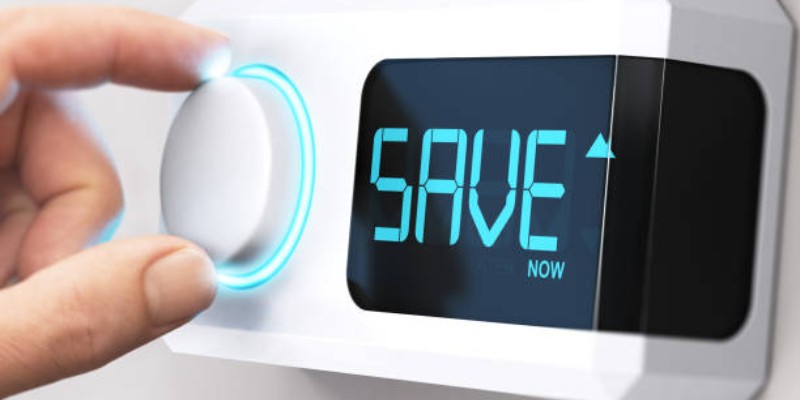
Smart thermostats control heating and cooling more precisely than manual systems. They track occupancy, preferred temperatures, and daily routines. Instead of heating an empty house, they adjust automatically.
Heating and cooling account for nearly 40 percent of household energy use in the U.S.. By adjusting temperatures when residents are asleep, away, or using fewer rooms, smart thermostats can reduce annual energy use by 8 to 15 percent. A practical tip: activate geofencing or eco modes to cut energy while you’re away without manual intervention.
2. Smart lighting eliminates unnecessary usage
Lighting might seem small compared to heating, but it adds up. Smart lighting systems use motion sensors, ambient light detection, and programmable schedules to ensure lights aren’t on when they aren’t needed.
LED smart bulbs already use up to 75 percent less energy than traditional incandescent bulbs, and automation means you don’t have to remember to turn them off. Homes with optimized lighting automation can reduce lighting use significantly over a year.
For best results, place motion sensors in rooms you use intermittently, like hallways and bathrooms. Over time, you’ll notice lights staying off when nobody’s around and lower overall energy use.
3. Smart plugs stop phantom energy draw
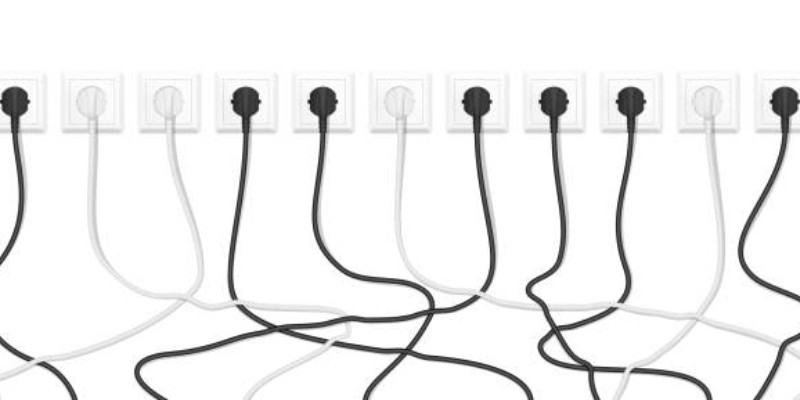
Many appliances still consume power even when “off.” This standby consumption, often called phantom load, can quietly add up to as much as 5-10 percent of a home’s electricity use.
Smart plugs solve that by cutting electricity to idle devices automatically. Televisions, game consoles, and office equipment are common culprits. Some smart plugs can detect inactivity and shut the power off completely until you need them again.
A simple strategy: plug entertainment systems, printers, and chargers into smart plugs configured to shut off after a period of inactivity. You’ll reduce waste without manual steps.
4. Energy monitoring changes behavior in real time
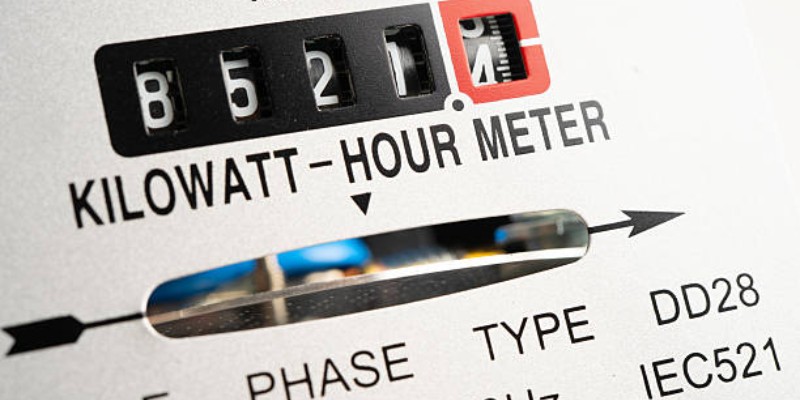
One of the most under‑appreciated benefits of smart homes is visibility. Energy dashboards in smart home apps show exactly where electricity goes hour by hour. When people see spikes from specific appliances, many change habits quickly.
Real‑time feedback leads to measurable results. Homes with energy monitoring systems often reduce power use by around 10 to 20 percent simply by making informed adjustments to when and how devices operate.
For example, running dishwashers or washing machines during off‑peak hours not only reduces energy use but can lower your utility bill if your provider offers time‑of‑use pricing.
5. Smart appliances optimize their own cycles
Modern smart appliances adjust how they run to use less energy without any extra effort from you. A smart washing machine, for example, can sense the load size, fabric type, and level of soiling and automatically select the best water temperature and cycle length. A smart refrigerator can learn how often the door opens and adjust cooling levels to avoid over‑cooling when it’s unnecessary.
These behaviors align with current energy standards such as ENERGY STAR, which certifies appliances that meet strict efficiency criteria for their cycles and standby use. Smart appliances that qualify under these standards typically use less electricity over a year than older, non‑connected models.
Tip: Look for ENERGY STAR-certified smart appliances when upgrading your home. They not only respond to usage patterns but also help cut overall power consumption over time without you having to manage cycles manually.
6. Load shifting reduces peak energy use
Electricity costs and grid strain rise during peak hours, usually in the late afternoon and early evening. Smart homes handle this by moving heavy tasks to times when demand is lower. Dishwashers, water heaters, and electric vehicle chargers can be scheduled to run during off‑peak hours, reducing both your bill and stress on the grid.
In areas with time‑of‑use pricing, consumers can see real savings by letting devices run when rates are lowest. For example, some households with smart scheduling have reported bill reductions of 10 to 20 percent annually simply by shifting high‑energy tasks to off‑peak windows.
If your utility offers dynamic pricing, many smart home systems can automatically align appliance cycles with low‑rate periods, so you don’t have to think about it every day.

7. Zoning prevents whole-house overuse
Traditional heating and cooling systems treat the entire home the same, even when only one room is occupied. Smart zoning breaks the home into separate areas or “zones” and conditions only spaces in use. At night that might mean cooling just bedrooms while living spaces stay at a moderate temperature.
Smart thermostats with zoning can cut heating and cooling power use as much as 20 to 30 percent in multi‑room homes by avoiding wasted conditioning in unused areas. These gains tend to be largest in climates with big temperature swings or in larger homes where only a few rooms are used at once.
A practical suggestion: if you’re installing a smart thermostat, consider adding temperature sensors in frequently used rooms so the system can target comfort where it matters most without overusing energy.
8. Automation reduces human error
Leaving lights on, forgetting to unplug devices, or over‑cooling rooms are common habits that raise energy use. Intelligent automation sets rules once and then enforces them automatically every day, so these mistakes don’t continue.
For example, you can program your system so lights switch off automatically after a room has been empty for a set time, or so climate controls adjust when windows are open. Over months and years, this rule‑based efficiency adds up, especially in households with varied or unpredictable schedules.
When people set up automation that reflects real daily patterns, they often see steady reductions in power use without any change in comfort or routine.
Seeing this kind of consistency over time also helps households refine their settings to balance comfort and savings.
Making everyday living more efficient
Smart homes do not require major lifestyle changes. They work quietly in the background, reducing waste while keeping your home comfortable. By combining smart lighting, smart thermostats, energy monitoring, efficient appliances, load‑shifting, and automation, households can cut power use in ways that are measurable and practical.
If lowering energy bills and living more efficiently matters to you, start one system at a time. Small upgrades - like a smart plug or an automated schedule - often lead to meaningful long-term gains in both energy efficiency and cost control.
Share this article:
Recommended For You



Most Viewed


ADVERTISEMENT